
by Tina Wiles
Before you read any further, set a timer for 15 seconds and take fast, shallow breaths. GO!
How do you feel? Anxious? Difficulty focusing? A little lightheaded? Good, because we just artificially triggered your fight-or-flight response. And that's exactly what test anxiety does, except you usually don't see it coming.
What's Actually Happening in Your Brain
Your body runs on a system called the autonomic nervous system, and it has two branches working behind the scenes.
The first branch is the parasympathetic nervous system, sometimes called the "rest and digest" system. It handles the basics: breathing, digestion, heart rate. You don't have to think about any of it. It just happens.
The second branch is the sympathetic nervous system, your built-in alarm system. Its job is to protect you from danger by triggering your fight-or-flight response. The problem? It can't always tell the difference between a genuine threat and a high-stakes test. So it fires anyway, and now you're trying to recall everything you studied while your brain is convinced you're being chased by a bear.
When that alarm goes off, the amygdala hijacks your brain through a flood of cortisol and adrenaline. The effects show up in three ways:
Physical symptoms: Headaches, nausea, sweating, shortness of breath, rapid heartbeat, lightheadedness. In severe cases, these can escalate into a full panic attack, which can feel so intense it mimics a heart attack.
Emotional symptoms: Feelings of fear, stress, and helplessness. Negative self-talk. Racing thoughts about what happens if you fail. A mind that goes completely blank.
Cognitive and behavioral symptoms: Difficulty concentrating, comparing yourself to others, procrastinating on starting or finishing.And here's something most people don't realize: that procrastination you feel before sitting down to study? It might not be laziness. It might actually be your fight-or-flight response keeping you away from something your brain has tagged as a threat. The avoidance isn't a character flaw. It's a physiological response.
Any one of these would be hard to manage on its own. When you're dealing with a combination of them in the middle of a high-stakes exam, it's not a willpower problem. It's not a preparation problem. It's a nervous system problem.
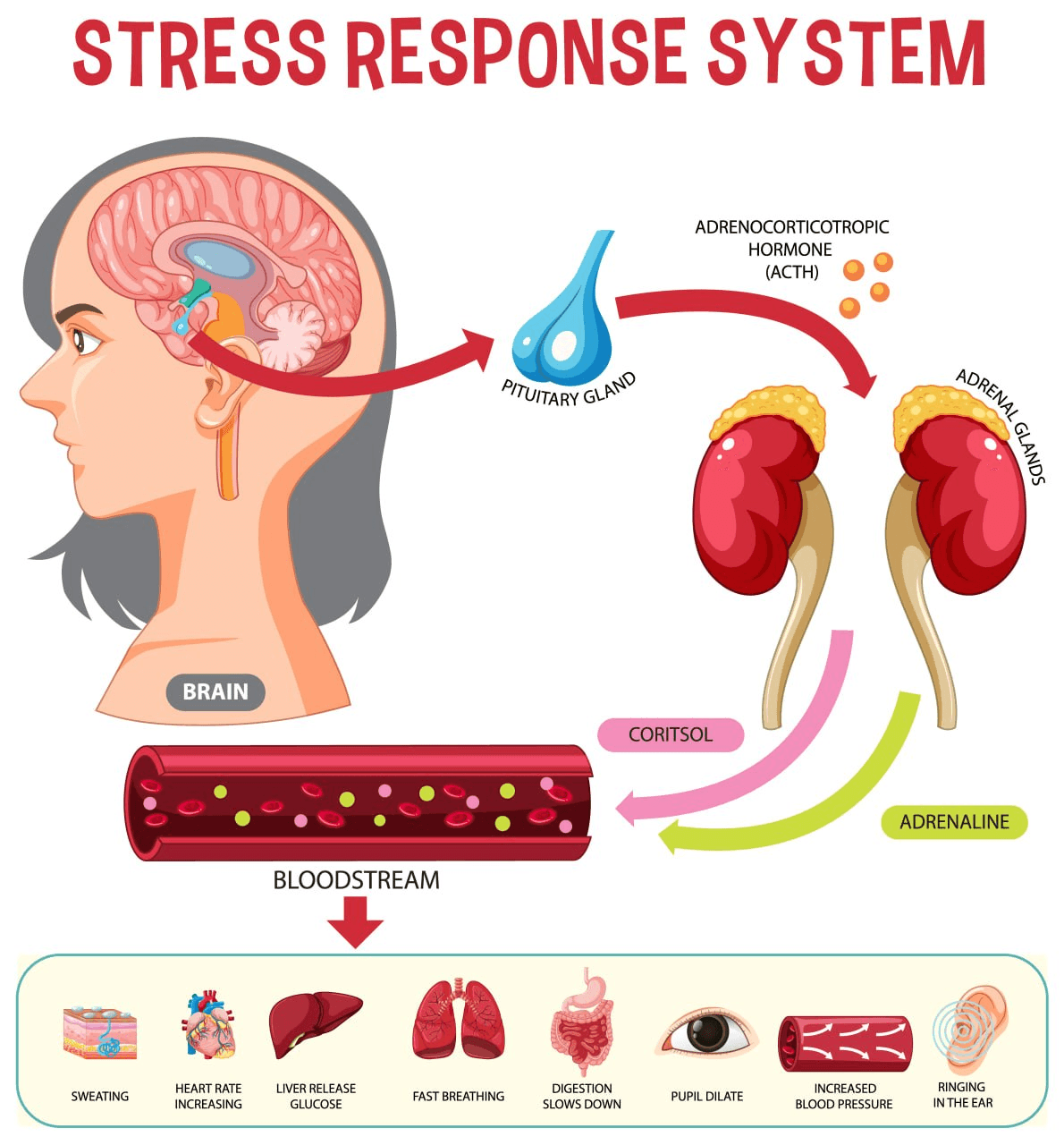
Why Willpower Won't Fix It
Here's what most people try: they tell themselves to focus. To calm down. To just push through it.
It doesn't work. And now you know why.
Willpower lives in the prefrontal cortex, the part of your brain responsible for decision-making, focus, and reasoning. But when your body is in fight-or-flight mode, that energy gets diverted. Your brain is too busy "protecting" you to let you think clearly. You literally cannot think your way out of a physiological response.
Telling a student to "just try harder" during test anxiety is like telling someone to sprint with a broken ankle. The effort is there. The system is compromised.
What Actually Works
The fastest way to interrupt the alarm cycle is to activate the vagus nerve, the longest nerve in the body. When you stimulate it, you're essentially sending your nervous system a message: "Thank you for protecting me. I'm safe. Stand down."
Here are three ways to do it, all of which work mid-test:
Breathe through your nose. Take a slow, deep inhale and exhale through your nose. Notice the temperature of the air on the way in, and the temperature on the way out. There should be a difference. This does three things at once: it engages the vagus nerve, floods your brain with oxygen to counteract the effects of cortisol and adrenaline, and brings you into the present moment the same way breathing does in meditation. It takes about 30 seconds and no one around you will notice.
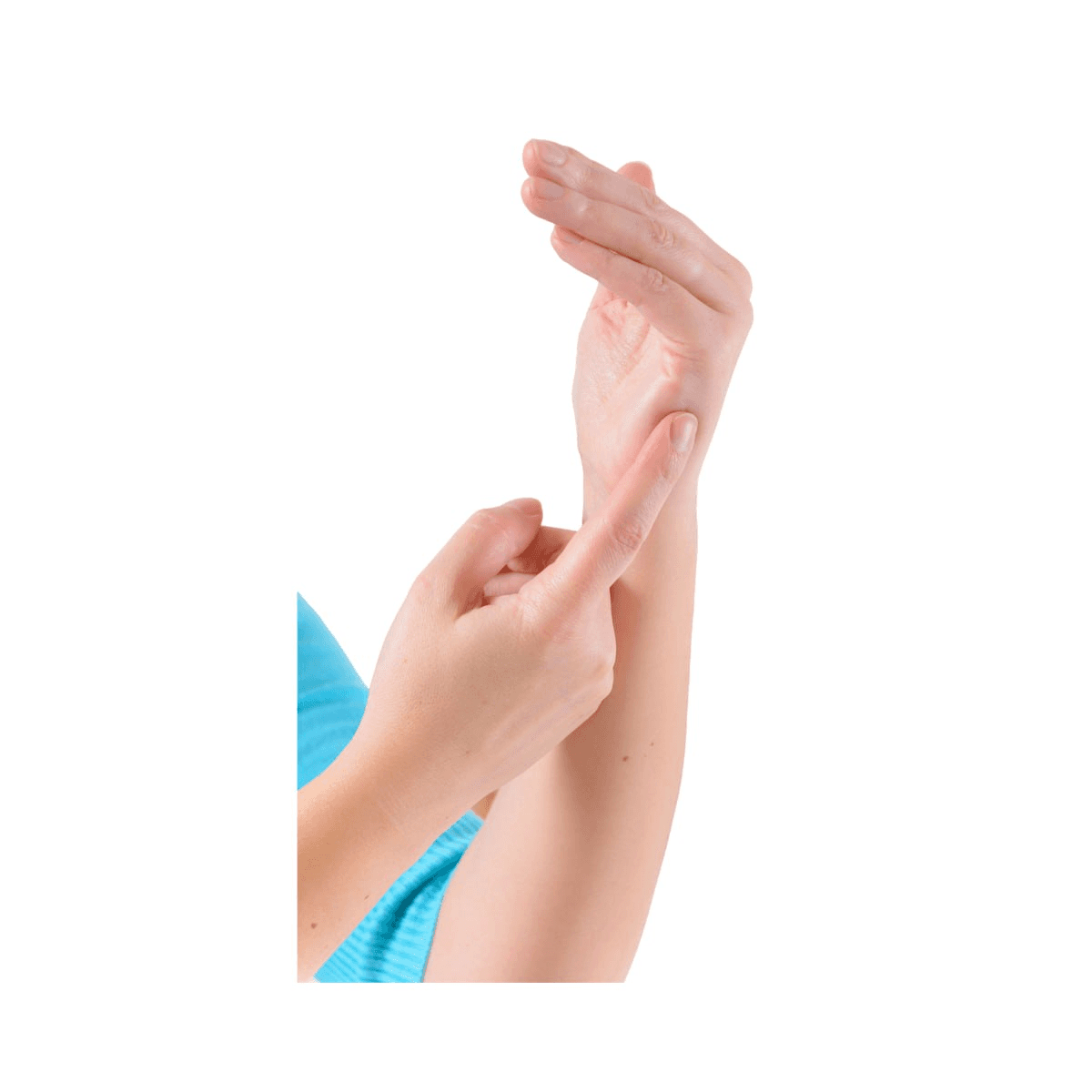
Tap the karate chop point. There's an acupressure point on the side of your palm, just below your little finger. Tap it gently while taking a deep breath and telling yourself: "Think clearly, step by step." This combination sends a direct signal to your nervous system that you're safe.
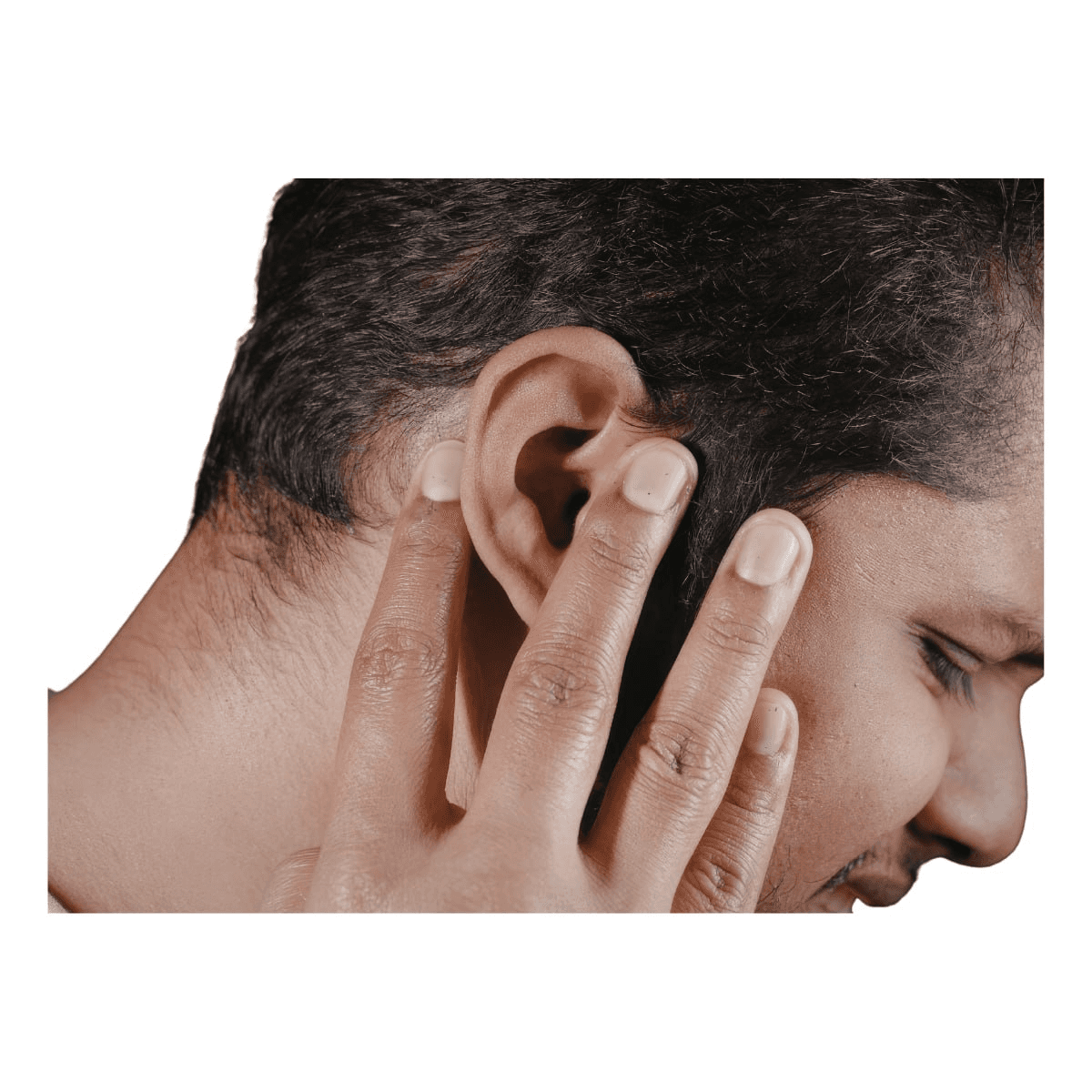
Massage behind your ear. Make a "V" with your pointer and middle finger and massage in front of and behind your ear. Your vagus nerve runs right there. You're literally stimulating it. A few seconds of this can shift your state faster than you'd expect.
The Takeaway
First, the most important thing: this is not your fault.
Test anxiety isn't a character flaw. It isn't a weakness. It's a physiological response, and physiological responses require physiological solutions.
Studying more won't fix it. Positive thinking won't fix it. Telling yourself to focus won't fix it. But learning to work with your nervous system instead of against it? That changes everything.
The students who pass aren't the ones who wanted it more. They're the ones who learned how to regulate their nervous system so their knowledge could actually show up when it counted.
That's a skill. And skills can be taught.
About Tina Wiles
Tina Wiles is a test anxiety expert, ACT/SAT strategist, and the founder of My2tor and From Panic to Passing. With over 20 years in education and a Mental Performance Mastery certification, she helps students and professionals stop letting anxiety run the show on test day. Her approach combines mindset, strategy, and nervous system regulation so that what you know actually shows up when it counts.
Not sure where your test anxiety is coming from? Take the free quiz and find out your test-taking mindset type.
Test Taker Mindset Quiz | Discover What's Holding You Back
In just 60 seconds, you’ll uncover:
Your dominant test-taking mindset
How stress and pressure affect your performance
Why traditional prep hasn’t fully worked
Which strategies will help you feel calmer and more in control
Get expert ACT/SAT updates, strategy tips, timelines, and parent guidance — straight to your inbox.